
Canada's #1 Source
Premium Research
Compounds
Compounds
Premium research compounds. Secure shipping. Trusted by thousands.
200+
Products
50K+
Orders
99%
Satisfaction
Secure Checkout
Fast Shipping
Secure Package
Secure Checkout
Peptides Canada
Premium Peptide Compounds
Research peptides for recovery and metabolic studies.
37 Products Available
Shop by Category
Find exactly what you're looking for
Oil Compounds
Research-grade oil compounds
19 ProductsOrals
Oral research compounds
14 ProductsPeptides
Recovery & metabolic research peptides
37 ProductsSARMs
Targeted research compounds
6 ProductsGrowth Hormone
Growth hormone research compounds
2 ProductsRecovery
Post-research recovery compounds
5 Products
RESEARCH USE ONLY: We sell this for lab research only. It is not for people or animals to take. When you buy it, you agree to use it only for research.
All Products
Browse our complete selection
Members Only Products Available
Log in or create an account to view our full catalog.
Log In Create Account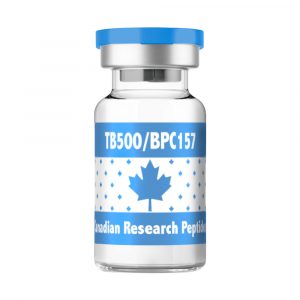
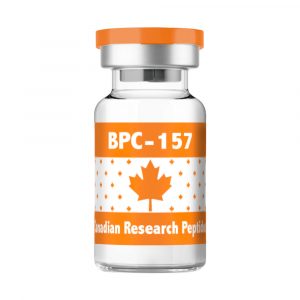
BPC-157
(2)
From $40.00
This product has multiple variants. The options may be chosen on the product page
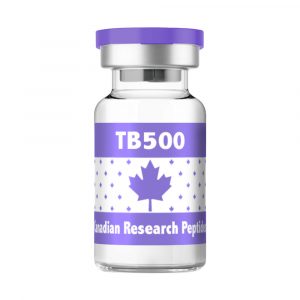
Peptides
(1)
From $60.00
This product has multiple variants. The options may be chosen on the product page
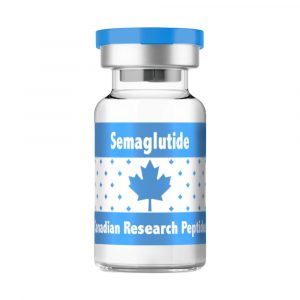
Semaglutide
From $45.00
This product has multiple variants. The options may be chosen on the product page
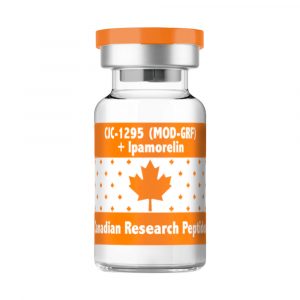
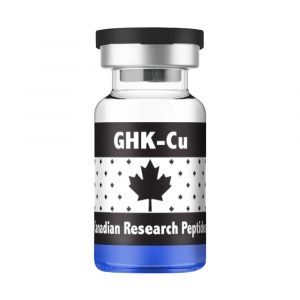
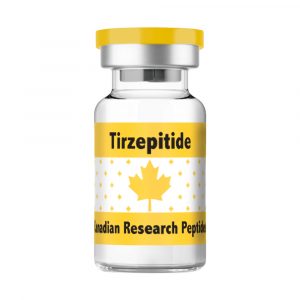
Tirzepatide
(1)
From $80.00
This product has multiple variants. The options may be chosen on the product page
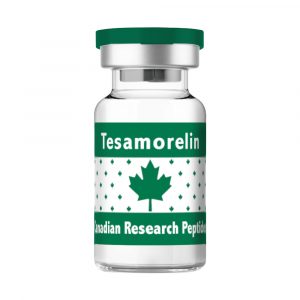
Metabolics
From $40.00
This product has multiple variants. The options may be chosen on the product page
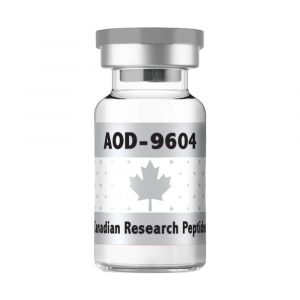
Metabolics
From $35.00
This product has multiple variants. The options may be chosen on the product page
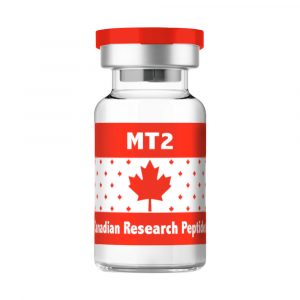
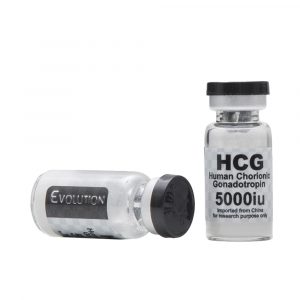
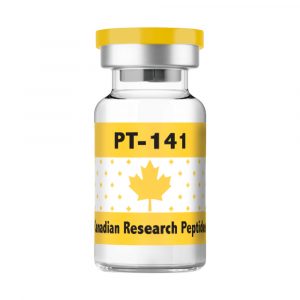
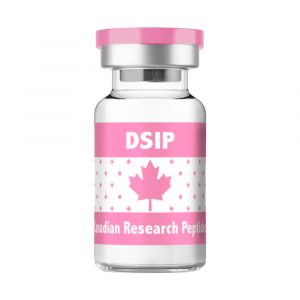
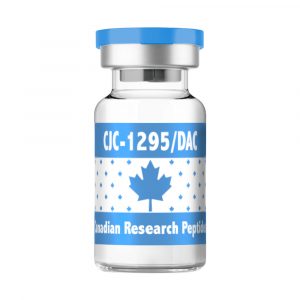
Peptides
From $40.00
This product has multiple variants. The options may be chosen on the product page
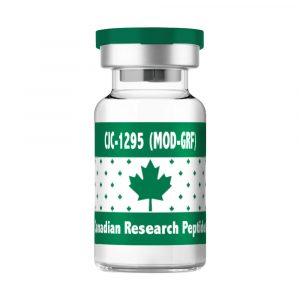
Peptides
From $70.00
This product has multiple variants. The options may be chosen on the product page
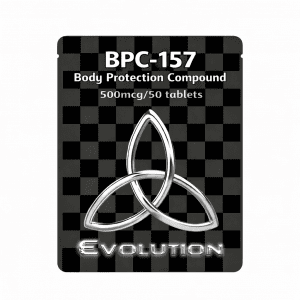
What are Peptides?
A peptide is a very small protein. It is made of building blocks called amino acids, joined in a short chain. Every peptide here comes as a powder or a tablet, sealed in a vial. A vial is a small glass bottle.
What labs study
- How they bind. Labs test how each peptide locks on to a receptor, which is a docking point on a cell.
- Growth hormone paths. Studies look at Sermorelin and CJC-1295, and how they act on a small gland in the brain.
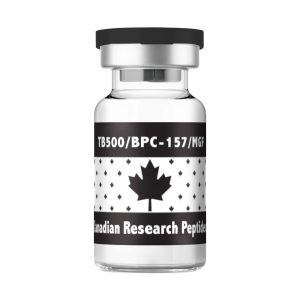
- Tissue repair work. Lab work tracks BPC-157 and TB-500 in cell models.
- Dosage steps. Labs line up mg and mcg amounts side by side.
What we stock
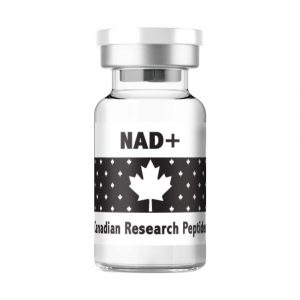
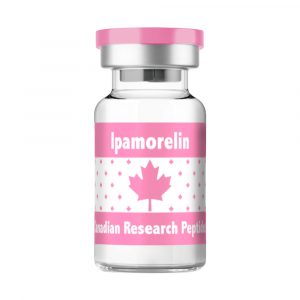
This page holds 34 peptides for lab use. Small vials include GHRP-2, GHRP-6 and Ipamorelin. The list also holds HCG, NAD+, Semax and Kisspeptin-10. Some vials mix two peptides, such as CJC-1295 (MOD-GRF) with Ipamorelin. Larger kits include the Wolverine Protocol, a bundle of TB-500 and BPC-157 vials. Strengths use two units, mg and mcg, where one mcg is a thousandth of a mg. Amounts run from a few mcg up to 500 mg per vial.
Sold for laboratory research only. Not for human consumption.
What are Peptides?
A peptide is a very small protein. It is made of building blocks called amino acids, joined in a short chain. Every peptide here comes as a powder or a tablet, sealed in a vial. A vial is a small glass bottle.
What labs study
- How they bind. Labs test how each peptide locks on to a receptor, which is a docking point on a cell.
- Growth hormone paths. Studies look at Sermorelin and CJC-1295, and how they act on a small gland in the brain.
- Tissue repair work. Lab work tracks BPC-157 and TB-500 in cell models.
- Dosage steps. Labs line up mg and mcg amounts side by side.
What we stock
This page holds 34 peptides for lab use. Small vials include GHRP-2, GHRP-6 and Ipamorelin. The list also holds HCG, NAD+, Semax and Kisspeptin-10. Some vials mix two peptides, such as CJC-1295 (MOD-GRF) with Ipamorelin. Larger kits include the Wolverine Protocol, a bundle of TB-500 and BPC-157 vials. Strengths use two units, mg and mcg, where one mcg is a thousandth of a mg. Amounts run from a few mcg up to 500 mg per vial.
Sold for laboratory research only. Not for human consumption.
