
-
×
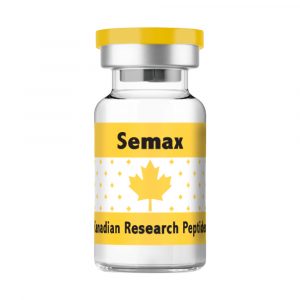 Semax – 30mg/vial
1 × $70.00
Semax – 30mg/vial
1 × $70.00 -
×
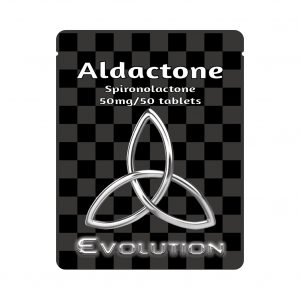 Aldactone (Spironolactone) - 50mgs x 50 Tablets
1 × $75.00
Aldactone (Spironolactone) - 50mgs x 50 Tablets
1 × $75.00 -
×
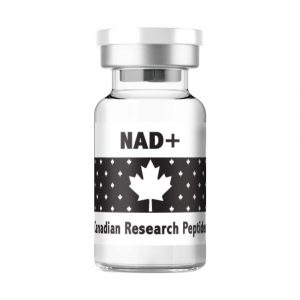 NAD+ 500mg/vial (Nicotinamide Adenine Dinucleotide)
1 × $85.00
NAD+ 500mg/vial (Nicotinamide Adenine Dinucleotide)
1 × $85.00 -
×
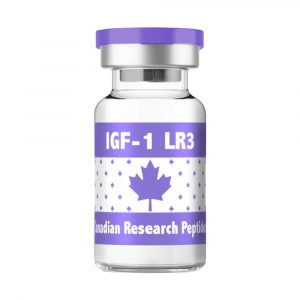 IGF-1 LR3 (Insulin-Like Growth Factor-1 Long R3) - 1mgs/vial
1 × $100.00
IGF-1 LR3 (Insulin-Like Growth Factor-1 Long R3) - 1mgs/vial
1 × $100.00 -
×
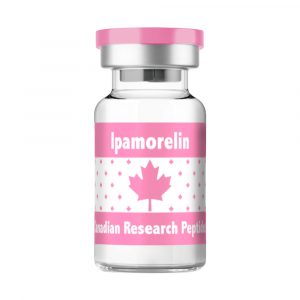 Ipamorelin - 5mg/vial
1 × $50.00
Ipamorelin - 5mg/vial
1 × $50.00 -
×
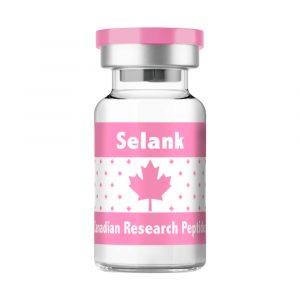 Selank – 5mg/vial
1 × $30.00
Selank – 5mg/vial
1 × $30.00 -
×
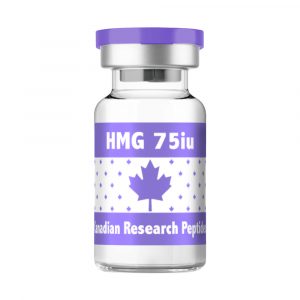 HMG – 75iu/vial (Human Menopausal Gonadotropin)
1 × $60.00
HMG – 75iu/vial (Human Menopausal Gonadotropin)
1 × $60.00 -
×
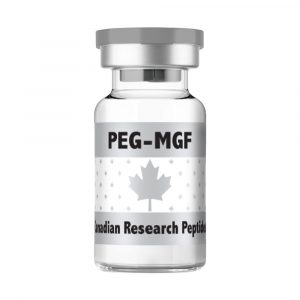 PEG-MGF (Pegylated Mechano Growth Factor) - 2mgs/vial
1 × $70.00
PEG-MGF (Pegylated Mechano Growth Factor) - 2mgs/vial
1 × $70.00 -
×
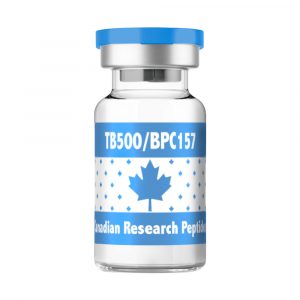 TB-500 / BPC-157 (Wolverine Stack)
1 × $100.00
TB-500 / BPC-157 (Wolverine Stack)
1 × $100.00 -
×
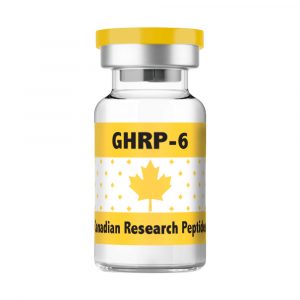 GHRP-6 (Growth Hormone Releasing Peptide-6) - 5mg/vial
2 × $35.00
GHRP-6 (Growth Hormone Releasing Peptide-6) - 5mg/vial
2 × $35.00
RESEARCH USE ONLY: We sell this for lab research only. It is not for people or animals to take. When you buy it, you agree to use it only for research.

NAD+ 500mg/vial (Nicotinamide Adenine Dinucleotide)
$85.00
NAD+ (Nicotinamide Adenine Dinucleotide) is a coenzyme, a small helper molecule cells use for energy. It comes in a 500 mg vial. Sold for laboratory research only.
63 in stock
What is NAD+?
NAD+ stands for Nicotinamide Adenine Dinucleotide. It is a coenzyme, a small helper molecule cells use to make energy.
The amount of NAD+ in the body naturally goes down with age. Researchers study ways to add more NAD+ back into cells in lab models.
What researchers study it for
- Cell energy. Labs study how NAD+ affects mitochondria, the parts of a cell that make energy.
- Sirtuin activity. Studies look at how NAD+ affects sirtuins, a group of proteins linked to cell repair.
- Metabolism markers. Researchers measure how added NAD+ changes markers of metabolism in lab models.
- Cell aging research. Some studies track NAD+ levels alongside signs of cell aging.
What you get
One sealed vial holding 500 mg.
How to store it
Keep the sealed vial in the fridge, away from light. Once mixed, keep it cold and use it soon.
Words you might not know
- Coenzyme — a small helper molecule that works with enzymes inside cells.
- Mitochondria — the parts of a cell that make energy.
- Sirtuin — a type of protein linked to cell repair and aging research.
Sold for laboratory research only. Not for human consumption.
| Weight | 6.5 g |
|---|---|
| Dimensions | .625 × .625 × 1.5 in |
Be the first to review “NAD+ 500mg/vial (Nicotinamide Adenine Dinucleotide)”
Related products
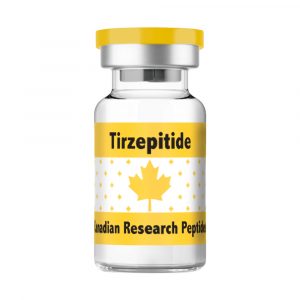
Tirzepatide
(1)
From $80.00
This product has multiple variants. The options may be chosen on the product page
Metabolics
From $40.00
This product has multiple variants. The options may be chosen on the product page

Reviews
There are no reviews yet.