
-
×
 Epithalon (Epitalon) - 10mgs/vial
1 × $40.00
Epithalon (Epitalon) - 10mgs/vial
1 × $40.00 -
×
 GHRP-6 (Growth Hormone Releasing Peptide-6) - 5mg/vial
1 × $35.00
GHRP-6 (Growth Hormone Releasing Peptide-6) - 5mg/vial
1 × $35.00 -
×
 Selank – 5mg/vial
1 × $30.00
Selank – 5mg/vial
1 × $30.00 -
×
 SLU-PP-332 (SLUPP) - 400 mcg x 50 Tablets
1 × $100.00
SLU-PP-332 (SLUPP) - 400 mcg x 50 Tablets
1 × $100.00 -
×
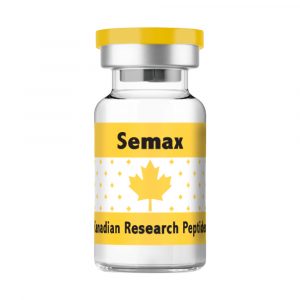 Semax – 30mg/vial
1 × $70.00
Semax – 30mg/vial
1 × $70.00
RESEARCH USE ONLY: We sell this for lab research only. It is not for people or animals to take. When you buy it, you agree to use it only for research.

HCG (Human Chorionic Gonadotropin) – 5000iu/1 vial
$85.00
HCG (Human Chorionic Gonadotropin) is a hormone studied for its role in testosterone production. It comes as a 5000 IU vial of freeze-dried powder. Sold for lab research only.
27 in stock
What is HCG?
HCG is short for Human Chorionic Gonadotropin. It is a hormone, and it is a protein with sugar joined on to it. That kind of protein is called a glycoprotein.
HCG acts a lot like LH. LH is short for luteinizing hormone, which the body makes on its own. LH tells the testes to make testosterone. Researchers study how HCG acts on the testes in lab models.
What researchers study it for
- Testosterone in lab models. Labs study how HCG tells the testes to make testosterone.
- Size of the testes. Studies look at how it affects the size of the testes. They track this while other research compounds are used, and after.
- Sperm cell studies. Labs study what part HCG plays in the making of sperm cells.
- Dose range studies. Studies compare doses from 500 to 2000 IU. The dose used depends on the study plan.
What you get
One vial holds 5000 IU of HCG. It comes as a freeze-dried powder. You mix it with bacteriostatic water before use.
How to store it
Keep the sealed vial in a cool, dry place. Once you mix it with water, keep it in the fridge and use it within a short time.
Words you might not know
- Glycoprotein — a protein with sugar joined on to it.
- LH — luteinizing hormone; it tells the testes to make testosterone.
- Vial — a small glass bottle with a rubber top.
- Bacteriostatic water — sterile water that stops bacteria from growing in it.
- IU — a unit used to measure the strength of some hormones.
Sold for laboratory research only. Not for human consumption.
| Weight | 6.5 g |
|---|---|
| Dimensions | .625 × .625 × 1.5 in |
Be the first to review “HCG (Human Chorionic Gonadotropin) – 5000iu/1 vial”
Related products
BPC-157
(2)
From $40.00
This product has multiple variants. The options may be chosen on the product page
Metabolics
From $35.00
This product has multiple variants. The options may be chosen on the product page

Reviews
There are no reviews yet.